Outboards
Choose your paddle: electric outboards buyer's guide
Electric outboards from 0.5 kW to 300 kW, sorted by power class. Who makes what in 2026, which battery you need and how licence limits shape the choice.
9 October 2026 · 5 min read
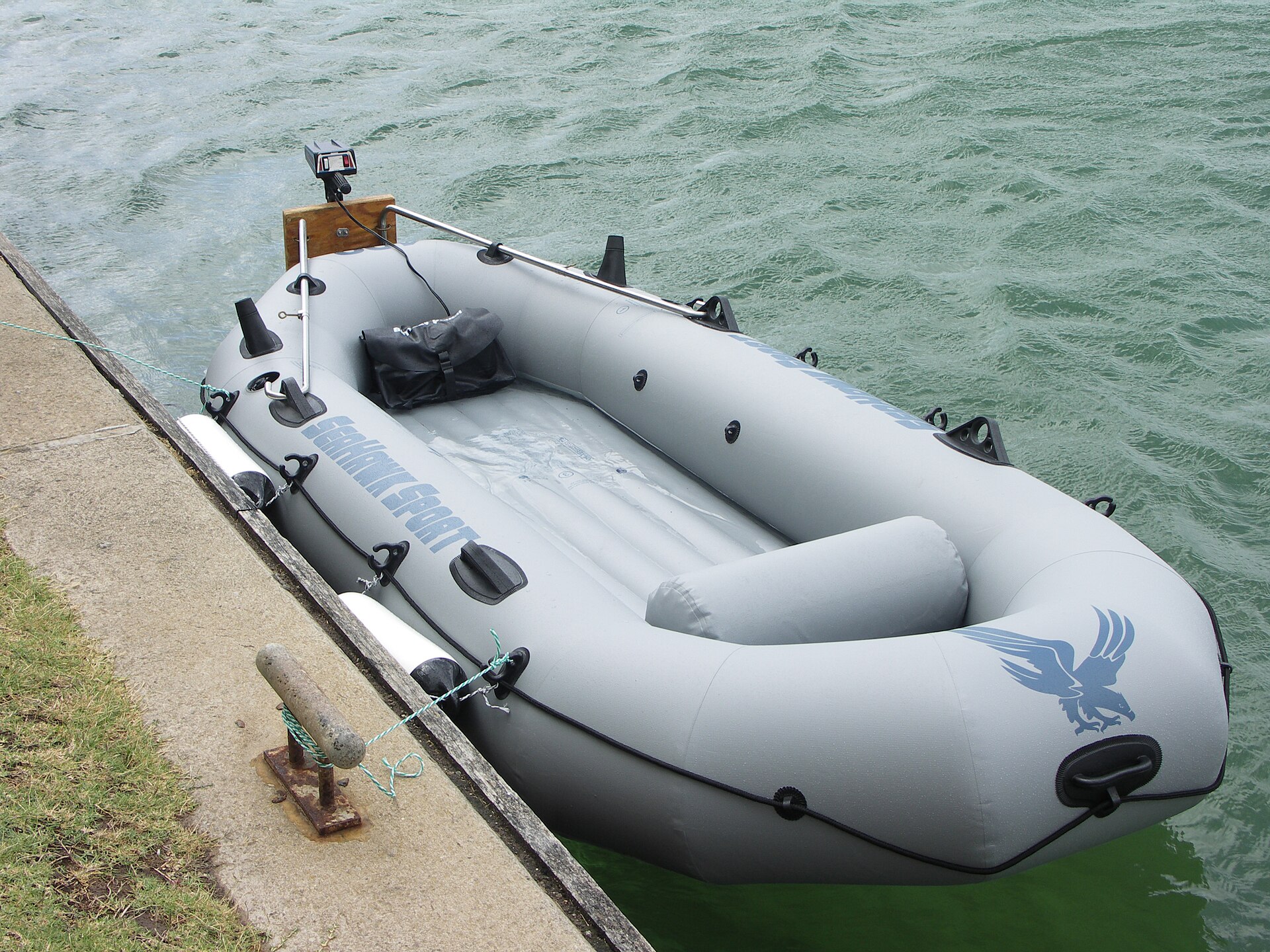
Picture a lake at dawn. The water is glassy, the air is clean, and the only sound is your paddle cutting the surface. Then you fire up the outboard and the whole valley flinches. It does not have to be that way. The electric outboard market has split into three distinct classes, and in 2026, there is a motor for almost every kind of session.
Whether you are looking for a light tender motor or a heavy groundswell of power for a fast boat, the choice is wider than ever. We went through the specs so you can pick the right line.
Checking the swell: how to read power
Electric motors are rated in kilowatts. One kilowatt is 1.34 horsepower. Makers often advertise a larger petrol equivalent, on the argument that an electric motor delivers its torque from zero and turns a bigger propeller. It is a bit like comparing a shortboard to a longboard: the numbers don't tell the whole story.
To keep your comparison fair, look at these two points.
- Compare propeller shaft power, not input power. Some makers quote the power drawn from the battery, which is higher than what actually reaches the water.
- Look for continuous power. Peak power lasts only seconds or minutes. Continuous power is what you cruise on, and it is what the licence rules in Germany care about.
Class 1: portable gear for the dawn patrol
This is the mature end of the market. These motors weigh little, the battery often clips on top, and the whole unit lifts off the transom with ease. It is the perfect kit for a quiet morning session.
| Motor | Power |
|---|---|
| TEMO 450 | 0.45 kW input |
| Mercury Avator 7.5e | 0.75 kW |
| ePropulsion Spirit 1.0 Plus | 1 kW |
| Remigo One | 1 kW |
Torqeedo's Travel series sits in the same line-up.
Good for: tenders, small sailboats, fishing boats and inflatables.
Batteries: integrated or clip-on, about 1 kWh. Mercury's Avator 7.5e uses a 1.03 kWh battery. That is roughly the energy of ten laptop batteries.
Where they are legal: almost everywhere that allows motors at all, including many electric-only lakes. Note that some Alpine lakes run a strict locals-only policy and cap electric motors at 500 W, which rules out everything in this table except the smallest TEMO.
Class 2: mid-range sets for the daily session
This is where the established engine makers have moved in. It is no longer just the niche players in the line-up. Mercury's Avator line now runs to the 110e, rated at 11 kW. Tohatsu lists the 6 kW Alaris. Yamaha sells the Harmo, a rim-drive system rated at 9.9 horsepower, and has owned Torqeedo since 2024.
| Motor | Power |
|---|---|
| Tohatsu Alaris | 6 kW input |
| Mercury Avator 110e | 11 kW |
| Elco EP-40 | 17 kW continuous |
| ExploMar Wave 70+ | 40 kW |
| Torqeedo Deep Blue 50 R | 50 kW continuous |
Good for: day boats, pontoon boats, larger sailboats and displacement launches.
Batteries: separate, mounted in the boat. Mercury pairs the 20e and 35e with 2.3 kWh batteries and the 75e and 110e with 5.4 kWh batteries. You can connect several to extend your session.
The licence line runs through this class. Austria requires a licence from 4.4 kW, France above 4.5 kW and Germany above 7.5 kW for electric motors. That is why so many motors are rated just under those marks. See our licence guide.
Class 3: heavy groundswell for fast boats
Electric outboards now reach the power of large petrol engines. These are for when you want to catch the big sets. Directories for 2026 list these among others.
| Motor | Power |
|---|---|
| Flux Marine FM115 | 86 kW |
| Evoy Breeze 120+ | 90 kW |
| ExploMar Wave 150+ | 100 kW |
| Vision Marine E-Motion 180E | 180 hp, about 134 kW |
| Evoy Storm 300+ | 225 kW |
| Evoy Hurricane 400+ | 300 kW |
Good for: fast day boats, RIBs and commercial craft on short, repeated routes.
The battery is the real purchase. At these powers, a boat needs tens of kilowatt-hours to run for a useful time. The battery is heavy and makes up a massive part of the price. Range at speed is modest unless the hull is incredibly efficient. Vision Marine reports 60 to 90 miles between charges on its electric pontoon boats, at pontoon speeds.
Charging needs planning. Small motors charge overnight from a household socket. Larger systems often need three-phase power or DC fast charging, which is still rare at inland marinas. See Fast charging for boats in Europe.
Pick your line: how to choose
Start with the constraints, not the brand. Don't be a kook and buy a motor you can't legalise.
- Where will you boat? Check lake limits and licence thresholds first. A 500 W cap or a 4.4 kW licence line removes most of the catalogue. Our register of electric-only waters lists the limits we know.
- Displacement or planing? A displacement hull needs little power. One drive maker suggests about 1.25 kW per tonne of boat. A planing hull needs many times more to get over the hump.
- How far, at what speed? Work out the energy you need with the method in Electric boat range explained, then size the battery. A common rule for displacement boats is 1.3 to 2 kWh of battery per kilowatt of motor.
- How will you charge? Match the battery to the power available at your berth.
- Who will service it? A motor from a maker with dealers near you is worth more than a better one from a company with none.
Windswell and hype: a settling market
The companies in this market change quickly. Yamaha bought Torqeedo in 2024. Mercury extended its range to 11 kW. Several high-power makers are young companies. Before paying a deposit, check that the model is in production and who backs the warranty.
Prices are still higher than for petrol outboards, and the gap widens with size because of the battery. Running costs go the other way. We do the sums in What an electric boat costs to run.
Questions
How does electric outboard power compare with horsepower?
One kilowatt equals 1.34 horsepower, but makers often quote a higher petrol equivalent because electric motors deliver full torque from standstill. Compare kilowatts at the propeller shaft.
What is the most powerful electric outboard?
Among the models listed in 2026 directories, Evoy's Hurricane 400+ is rated at 300 kW.
Which electric outboard can I use without a licence?
It depends on the country. Stay under 4.4 kW for Austria, 4.5 kW for France and 7.5 kW for electric motors in Germany.
How big a battery do I need?
One rule of thumb from a drive maker is 1.3 to 2 kWh of battery for every kilowatt of motor power on a displacement boat.
Who owns Torqeedo?
Yamaha Marine acquired Torqeedo in 2024.