Balaton belongs to the quiet: electric boat rules in Hungary
Last updated 2026-10-12
At a glance
| Combustion ban | Combustion-engine small craft banned on the whole of Lake Balaton, Lake Velence and Fertő, and on parts of Lake Tisza and the Ráckeve Danube branch. |
|---|---|
| Electric motors | Not mentioned by the ban, which is written around internal combustion engines. How electric craft are treated in practice is not confirmed. |
| Exemptions | One-year operating permits for specific purposes, such as rescue, sports escort or passenger transport. |
| Licence | Required for motorboats above 4 kW, according to a training provider. Covers boats up to 20 m and 12 passengers. |
| Registration | Through the navigation authority, with a CE declaration and CE-marked engine. |
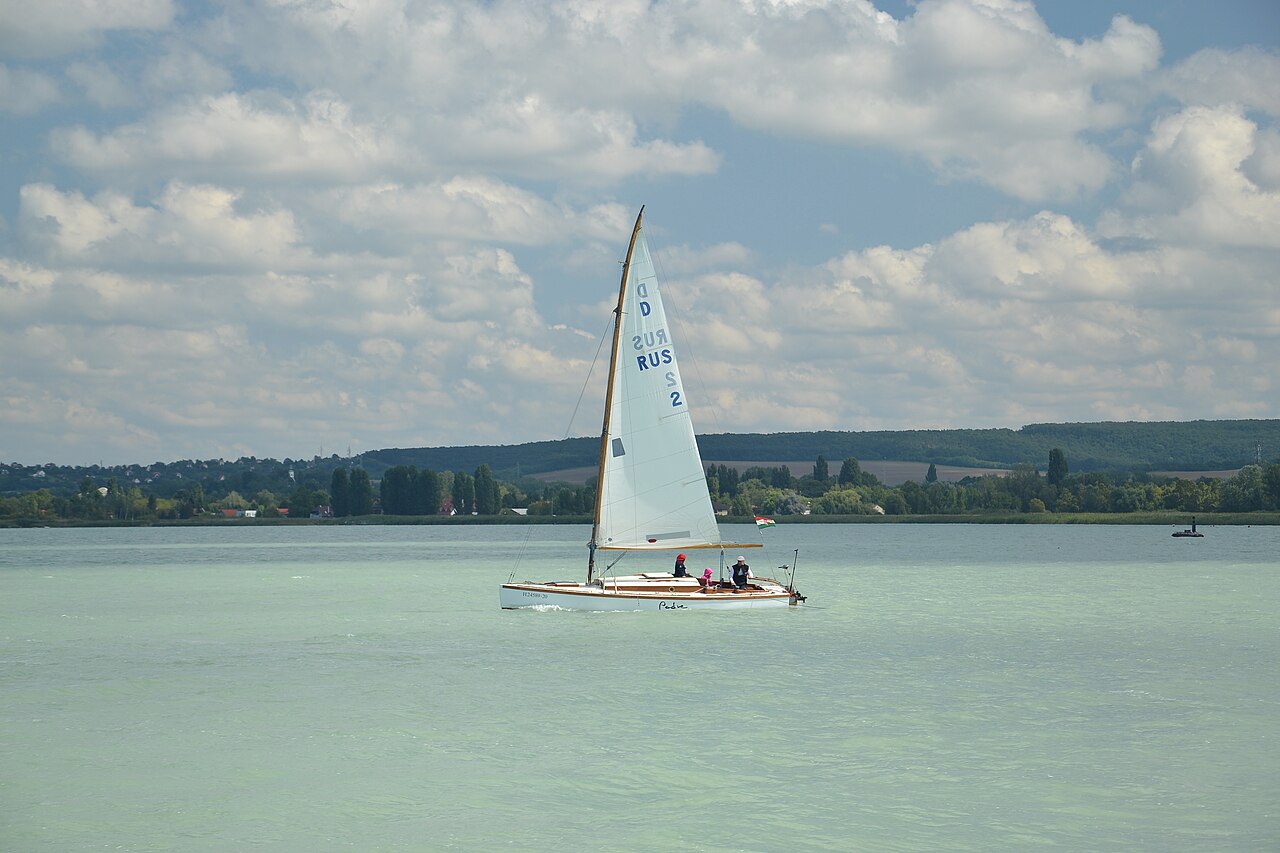
Lake Balaton is Hungary's summer playground. On a hot weekend it is full of sails, swimmers and stand-up paddlers. What you will not hear is a petrol outboard, because Hungary banned them years ago.
That makes Hungary one of the most interesting countries in Europe for electric boating. The ban is written around combustion engines, and it covers some of the country's best-known water.
We went through the law and the authority's guidance so you know what it means for an electric boat.
The set wave: combustion banned on Balaton
Under Hungary's water transport act, operating small craft and boats with internal combustion engines is banned on:
- the whole of Lake Balaton,
- the whole of Lake Velence,
- the whole of the Hungarian part of Fertő, known in Austria as Neusiedler See,
- designated parts of Lake Tisza and the Ráckeve Danube branch, set out in separate rules.
Electric craft and a ban written for petrol
The ban in § 58 (1) of the water transport act (Act XLII of 2000) covers craft driven by an internal combustion engine, "belső égésű motorral hajtott" in the Hungarian text, as quoted in the government office's 2026 permit information. The same document does not mention electric motors at all.
Under that wording, an electric boat is not caught by the ban, which puts some very large lakes within reach of electric boaters. We have not been able to confirm how the navigation authority applies the rule to electric craft in practice, for example to a fast electric jet craft. Ask the navigation authority's permit department (Hajózási Engedélyezési és Ellenőrzési Osztály) for a written answer about your craft before you launch.
Permits: the locals' exception
The ban does not apply to craft with an operating permit from the navigation authority. Permits:
- are valid for one year,
- cover a specific vessel and a specific activity,
- are issued for purposes such as rescue, sports escort, support for work vessels, fish farming, waterway maintenance and passenger transport on vessels of at least 9 m.
The fee is 48,000 HUF for sports associations and 55,000 HUF for others. A permitted boat may only be used for its permitted purpose.
In other words, a private petrol boat on Balaton is not a realistic option. A private electric one is.
Licence: the 4 kW line
According to a Hungarian training provider, a licence is needed to drive recreational motorboats with engines above 4 kW. The licence has no upper power limit and covers boats up to 20 m and 12 passengers.
That source dates from 2017, and we could not confirm the current threshold from an official page. Check with the navigation authority before you rely on it.
Registration: CE papers first
Recreational craft are registered with the navigation authority. To register, you need:
- a CE declaration of conformity for the craft,
- a CE-marked engine for noise and emissions, or one previously registered in Hungary or the EEA,
- two colour photos of the craft and of the installed engine,
- an inspection, booked 10 days in advance.
Imported boats need proof of deregistration from the foreign register, with a certified Hungarian translation.
Alcohol and safety: avoid the wipeout
We could not confirm the alcohol limit for recreational boaters in Hungary from an official source. Do not drink and drive a boat.
Wind can build chop quickly on a large lake. Watch the weather and wear a lifejacket.
Our verdict: an electric lake country
So, how does Hungary treat electric boaters? On its biggest lakes, better than anyone. Balaton, Velence and Fertő are closed to private combustion boats, and the ban does not mention electric motors.
The rest of the rules need checking. The licence threshold we found is from an older source, and registration needs CE papers. Ask the authority about your craft, then enjoy a lake that belongs to the quiet.
Every water with a source is in our register of electric-only waters in Hungary. For the same rules elsewhere, see boat licence rules across Europe.
Questions
Can I use an electric boat on Lake Balaton?
Small craft with combustion engines are banned on the whole lake. The ban covers internal combustion engines and does not mention electric motors, so electric boats are not caught by its wording. Check with the navigation authority for your craft.
Are motorboats allowed on Lake Balaton?
Combustion-engine small craft only with a one-year operating permit for a specific purpose, such as rescue, sports escort or passenger transport on vessels of at least 9 m.
Do I need a licence for an electric boat in Hungary?
According to a Hungarian training provider, a licence is needed for motorboats above 4 kW. We could not confirm the current threshold from an official source.
Which other Hungarian waters ban combustion engines?
Lake Velence and the Hungarian part of Fertő in full, and designated parts of Lake Tisza and the Ráckeve Danube branch.
How do I register a boat in Hungary?
Through the navigation authority, with a CE declaration of conformity for the craft, photos and a CE-marked engine. An inspection is booked in advance.
Sources
Rules change. Check with the local authority before you launch.