Guides
Plug in the fleet: what a harbour needs for electric boats
A practical guide for harbour and marina operators: how much power electric boats need at the berth, when fast charging makes sense and how to bill for it.
9 October 2026 · 6 min read
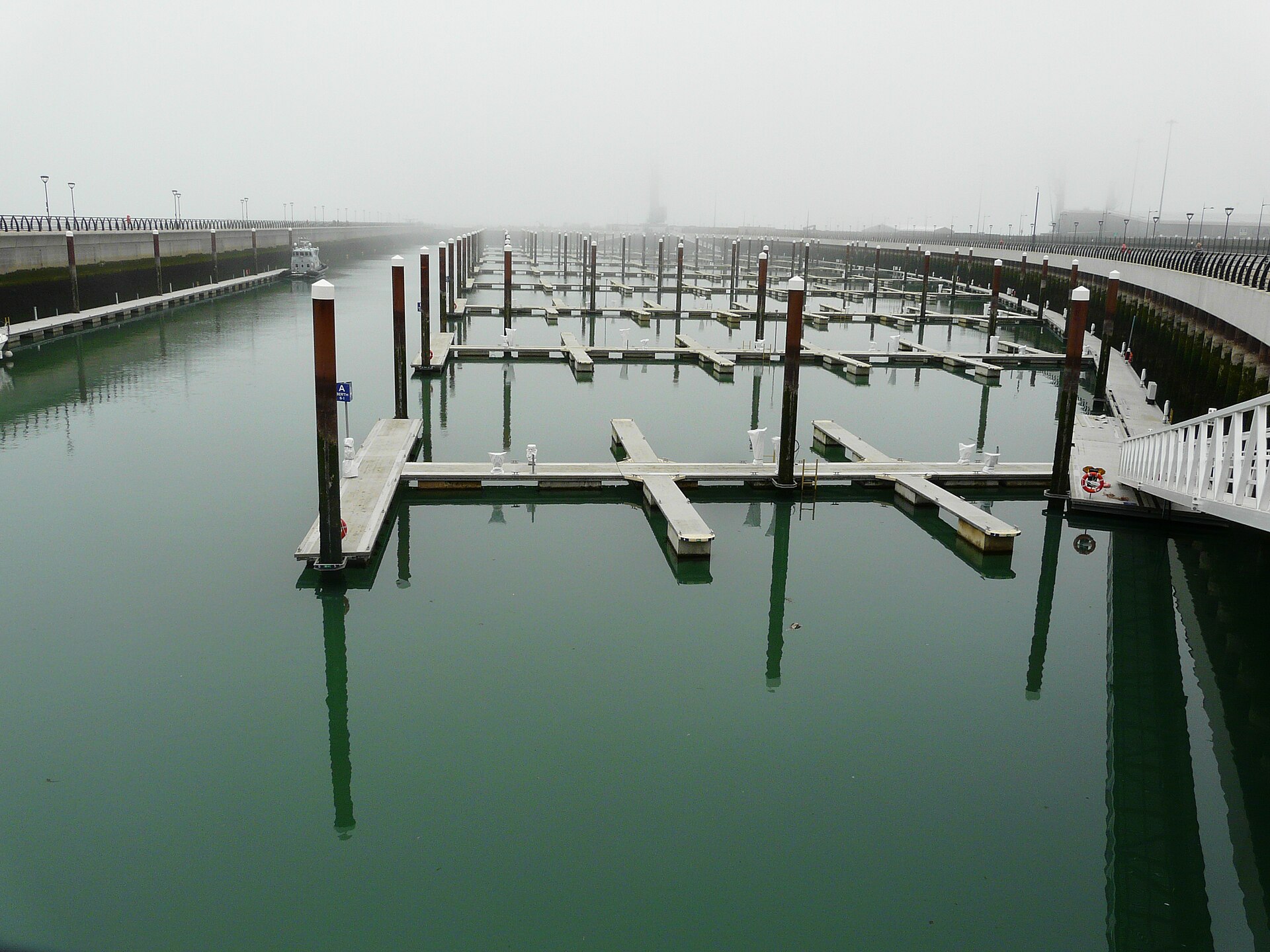
Electric boats are arriving in harbours faster than a set of waves on a rising tide. The good news for operators is that most of what these boats need is already sitting on the pontoon. The work is in knowing how much power you have, sharing it sensibly, and making sure you don't have a wipeout when everyone plugs in at once.
We have been looking at the regulations and the technology, and it is clear that many harbour masters are feeling the onshore breeze of change. The requests for charging are coming in, and if you aren't ready, your berth holders might start looking for a different spot to paddle out from. Whether they are charging a high-power ROXEN recreational craft or a small electric outboard, they need a reliable connection to get back on the water.
This is a guide for the crew running the show. We have done the research so you can get the pedestals right.
Why this groundswell is landing on your desk
Regulation is creating electric boats where the market alone would have been a flat spell. It is a local code that is becoming law in more and more places.
In Amsterdam, the centre closed to combustion engines on pleasure craft in April 2025. Utrecht and Haarlem started issuing new berth permits only for emission-free boats on 1 January 2025. Giethoorn has required rental boats to be electric since 2023. Down in Austria, the lakes in Carinthia don't allow combustion boats to be rented out at all.
A harbour in or near these places will be asked for charging by every single new berth holder. Elsewhere, the swell is building more slowly, but it is definitely coming. If you aren't prepared, you'll be stuck watching the perfect sets from the beach while other marinas catch the wave of new business.
Step 1: reading the line-up of your existing gear
Before you go out and buy a massive fast charger, you need to survey what you have already. It is about understanding the local conditions.
First, check the grid connection. What is the total capacity in kilowatts, and how much is being sucked up on a busy summer evening? Then, look at the pedestals. How many do you have, and what is the fuse rating? Many older ones are fused at 6 or 10 amps, which is a bit of a kook move for modern boats.
The table shows what each rating means for a boat:
| Pedestal | Power | Energy in a 12-hour night |
|---|---|---|
| Single-phase, 6 A | about 1.4 kW | about 17 kWh |
| Single-phase, 10 A | about 2.3 kW | about 28 kWh |
| Single-phase, 16 A | about 3.7 kW | about 44 kWh |
| Three-phase, 16 A | about 11 kW | about 130 kWh |
A small electric outboard battery holds about 1 kWh. A converted sailboat might carry 6 to 10 kWh. A fast day boat like a ROXEN or a Candela might carry 40 to 70 kWh. A 16 amp socket fills almost all of them overnight while the owners are sleeping off their session.
Step 2: upgrade the berths before the big sets
For resident leisure boats, the most valuable investment is dependable AC at the berth. A fast charger at the fuel dock is great for visitors and working boats, but it does nothing for an owner who wants to leave their craft plugged in all week.
In order of usefulness, you should raise pedestals to 16 amps where the cabling allows. Then add three-phase supply at berths for the larger boats in the quiver. Add per-berth metering so everyone pays their fair share. Only then should you consider fast charging. It is a solid groundswell approach to infrastructure.
Step 3: sharing the power without a wipeout
The big fear is that fifty boats charging at once will overload the connection and blow the whole harbour's fuses. In practice, they don't all charge at full power together. Batteries fill up, chargers taper off, and boats come and go like sets of waves.
Load management is the answer here. The system measures the total draw and limits individual pedestals when the harbour approaches its ceiling. Boats still charge, just a little more slowly at peak times. It is a much cheaper way to manage the swell than paying for a massive new grid connection. It keeps the power glassy even when the demand is high.
Step 4: is fast charging for your harbour
Fast charging earns its place when boats need to turn around quickly for another session. This means ferries or water taxis on a timetable, rental fleets that send craft out several times a day, or locations on a major passage route.
The hardware is the same family as for cars. Marine fast chargers use the CCS2 connector, and some support the higher-power MCS standard too. The system at the Yacht Club de Monaco is a classic design: one power cabinet on land, up to 600 kW in total, feeding several posts on the dock.
Two things decide the business case: the grid connection cost and the utilisation. A charger that can also be reached by cars in the car park earns money all winter, while one hidden on the end of a pier does not. It is about making the most of every swell.
Step 5: billing the crew fairly
A flat electricity fee made sense when boats just ran a fridge and a battery charger. It does not work when one berth draws 5 kWh a week and the neighbour draws 200. It is like letting one surfer take every wave in the set while everyone else pays for the beach.
Meter per berth as soon as you have electric boats in any number. Publish the price per kilowatt-hour clearly. Boaters compare it with what they pay at home. And avoid those minimum daily charges that make a small top-up cost five euros: they just push people to charge elsewhere, or to run dodgy extension leads from the clubhouse.
Step 6: safety and harbour housekeeping
Charging at the water is routine, but you need a clear code that everyone can see. You need residual current protection on every outlet, tested regularly. There should be no extension leads across the pontoons: if berth holders need them, your pedestals are in the wrong place.
Have a clear policy on damaged batteries. A battery that has been dropped or flooded should not be charged on the pontoon, full stop. Also, offer somewhere on shore to charge removable batteries for owners of portable outboards and boards. Staff who know the basics are essential: they should know what to do if a charger faults and whom to call to avoid a real wipeout.
Small things that show you know the code
Mark which berths have 16 amp or three-phase supply on the harbour plan. State the available power when visitors book. Keep a set of adapter cables to lend out to the kooks who forgot theirs. If nearby waters are closed to combustion engines, say so: it is a reason to choose your harbour. Our register of electric-only waters lists them.
In the end, survey first, fix the berths second, and meter third. Most harbours can welcome the electric fleet with just those steps, and those are within reach of an ordinary maintenance budget. For the boater's side of the same subject, see How to charge an electric boat.
Questions
How much power does an electric boat need at the berth?
For overnight charging, a 16 amp single-phase socket delivering about 3.7 kW is enough for most leisure boats. Larger boats benefit from three-phase 11 or 22 kW.
Does a harbour need a fast charger?
Only if it serves boats that turn around quickly, such as ferries, water taxis, rental fleets or boats on passage. For resident leisure boats, AC at the berth matters more.
How should a harbour charge for electricity?
Metering per berth is the fairest method once boats draw tens of kilowatt-hours. A flat fee works only while consumption is small.
What is load management?
A system that shares the available power between pedestals, so the harbour does not need a grid connection sized for every socket at full load.
Can a harbour serve cars and boats with the same charger?
Yes, if the charger is placed where both can reach it. Marine fast chargers use the same CCS2 connector as cars.