Electric Toys
Filling the garage: electric yacht toys
Electric water toys for yachts compared by what matters on board: weight, launching, charging from the yacht's supply and where the battery is stored.
9 October 2026 · 4 min read
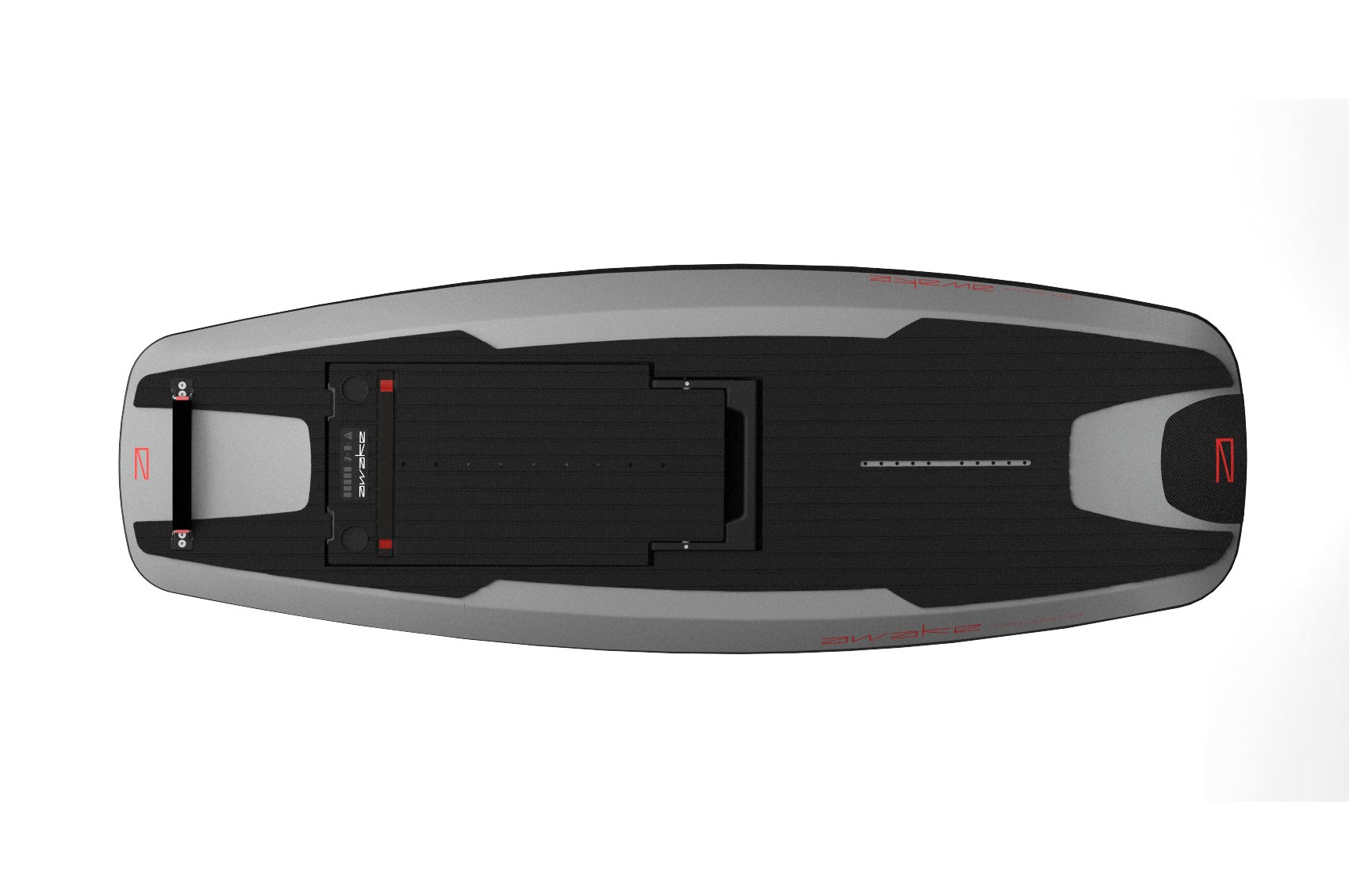
A yacht garage is a tight spot with zero room for a wipeout. Everything in it has to be lifted, launched, recovered and stored, usually by a crew that is already busy. Electric toys change the game. Instead of messing with jerry cans and petrol fumes in a confined space, you are plugging into the yacht's own power. It is a cleaner, quieter way to stock your quiver.
This guide looks at the line-up from the point of view of the person who has to handle the gear.
The yacht's line-up: what fits
Four questions decide whether a toy belongs in your garage.
- What does it weigh? This decides if two crew can carry it or if the crane has to come out.
- How does it get into the water? Off the swim platform, over the side, or from a dedicated garage.
- How is it charged? And where do you keep the batteries?
- How much attention does it need? Rinsing salt off the gear is the daily drill.
The quiver: electric options by weight
Sea scooters
A sea scooter pulls a swimmer through the glassy water. The Seabob F5 weighs 29 kg in its base version and 34 kg in the more powerful sets. Power runs from 2.5 to 4.5 kW, and speeds are around 14 to 20 km/h.
On board: one person can carry it. It needs no launching gear and is the easiest powered toy to live with.
eFoils and electric boards
An eFoil is a board that flies on a wing. The board, mast and wing come apart for storage, making it easy to pack into a tight space. A typical premium battery holds about 2 kWh and weighs 13 to 14 kg.
On board: light and compact, and guests love the stoke. It needs calm water, enough depth for the mast, and someone to teach the beginners. We compare boards in eFoil, electric surfboard or electric jet ski.
Light sit-on craft
ROXEN, from Sweden, is a recreational craft with a hull of 79 kg and a separate 33 kg battery. Its maker says it has lifting points, can be launched from a swim platform and charges from a 230 volt socket in about three hours. With 22 kW it reaches 30 knots.
On board: two crew can handle the hull without a crane, and the battery goes in afterwards. It carries a guest without asking them to balance on a board. ROXEN is a recreational craft.
Full-size electric personal watercraft
The Taiga Orca and Narke GT95 are the size of a conventional jet ski. They carry batteries of about 24 kWh and have the performance to match. From 2026, Taiga fits DC fast charging with a CCS2 connector.
On board: they need a crane and a proper cradle, just like a petrol jet ski. In return, they offer speed and two hours of riding. See Electric jet skis and personal watercraft in 2026.
Electric tenders
The tender itself can be electric. Portable motors of about 1 kW suit a small inflatable, and larger systems exist for RIBs. See our guide to electric outboards.
Plugging in at the break: charging on board
Almost every electric toy charges from an ordinary 230 volt socket. A yacht has plenty of those when the generator or shore power is running.
- Count the load. Several chargers running together add up. A 5 kWh battery charging in three hours draws under 2 kW. Four of them is a load worth planning for.
- Stagger the charging. Charge overnight or while under way, so the toys are full when guests want to paddle out.
- Carry a second battery for the toys that allow it. A swap takes minutes. A charge takes hours.
- Fast charging needs a DC charger. A CCS2 port is of no use at anchor. Those craft charge more slowly from AC on board.
For charge times and the sums behind them, see How to charge an electric boat.
No fumes in the line-up: batteries vs petrol
The clearest gain is that petrol leaves the garage. No more jerry cans, no refuelling over the water, and no fumes in an enclosed space. Lithium batteries bring their own discipline, though.
- Charge in a designated, ventilated place.
- Do not leave charging unattended for long periods if the maker advises against it.
- Never charge a battery that has been dropped, flooded or damaged.
- Rinse salt off craft and connectors with fresh water after every session, and let them dry before charging.
- Store batteries at the charge level the maker recommends. See Battery care for electric boats.
Requirements differ between flag states and insurers. Ask yours what they expect before you bring new gear on board.
Local rules: where to paddle out
Electric drive is quiet, which changes how toys fit into a quiet anchorage. A toy that does not disturb the neighbours can be used earlier and later in the day.
It can also open places that are closed to combustion engines. Some European lakes and protected areas ban petrol engines while allowing electric ones. Others restrict motorised toys of any kind. The rule is local each time, so check before you launch. Our register of electric-only waters is a starting point.
Choosing for your session
- Small yacht, no crane. Sea scooters, eFoils and the lightest sit-on craft.
- Mid-size yacht with a swim platform. Add a light sit-on craft for guests who do not want to learn a board.
- Large yacht with a garage and crane. Any of the above, plus full-size electric craft if you have the charging capacity.
Whatever the size, buy toys that the crew can launch and recover without drama. The best toy on board is the one that gets used every day.
Questions
What is the lightest electric yacht toy?
Among powered toys, sea scooters are the lightest. The Seabob F5 weighs 29 kg in its base version. An eFoil board is similar, with a battery of 13 to 14 kg carried separately.
Can electric toys be charged on board?
Yes. Most charge from a standard 230 volt socket. Larger craft with DC fast charging still accept slower AC charging.
Do I need a crane for an electric jet ski?
For the heavy models, yes. The lightest one we cover has a 79 kg hull and a 33 kg battery that is lifted separately, and can be launched from a swim platform.
Are lithium batteries safe on a yacht?
They are widely used, but they need care: a dedicated place to charge, supervision while charging and no charging of damaged batteries. Ask your insurer and your flag state or class society what they require.
Why go electric with yacht toys?
No petrol to store and handle, less noise at anchor, less maintenance and access to places that restrict combustion engines.